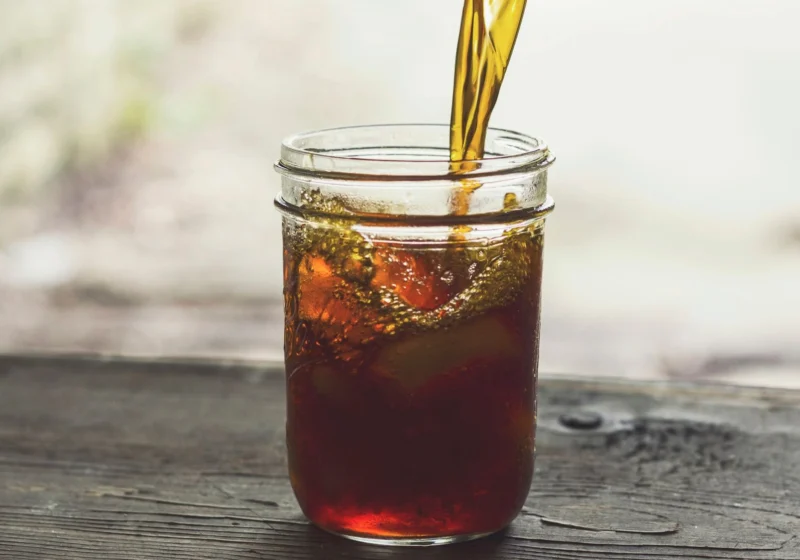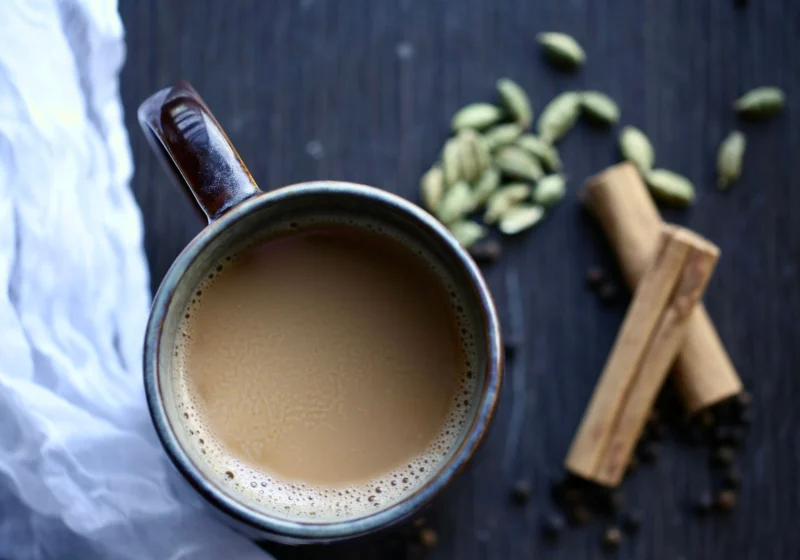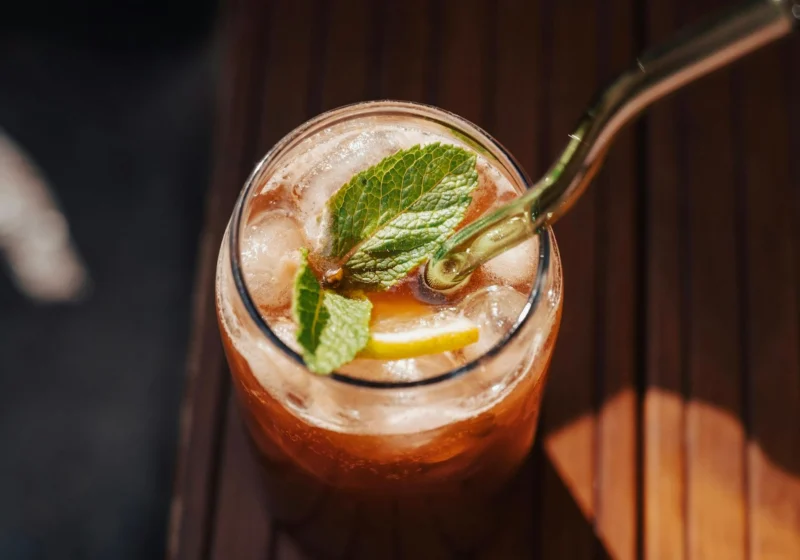

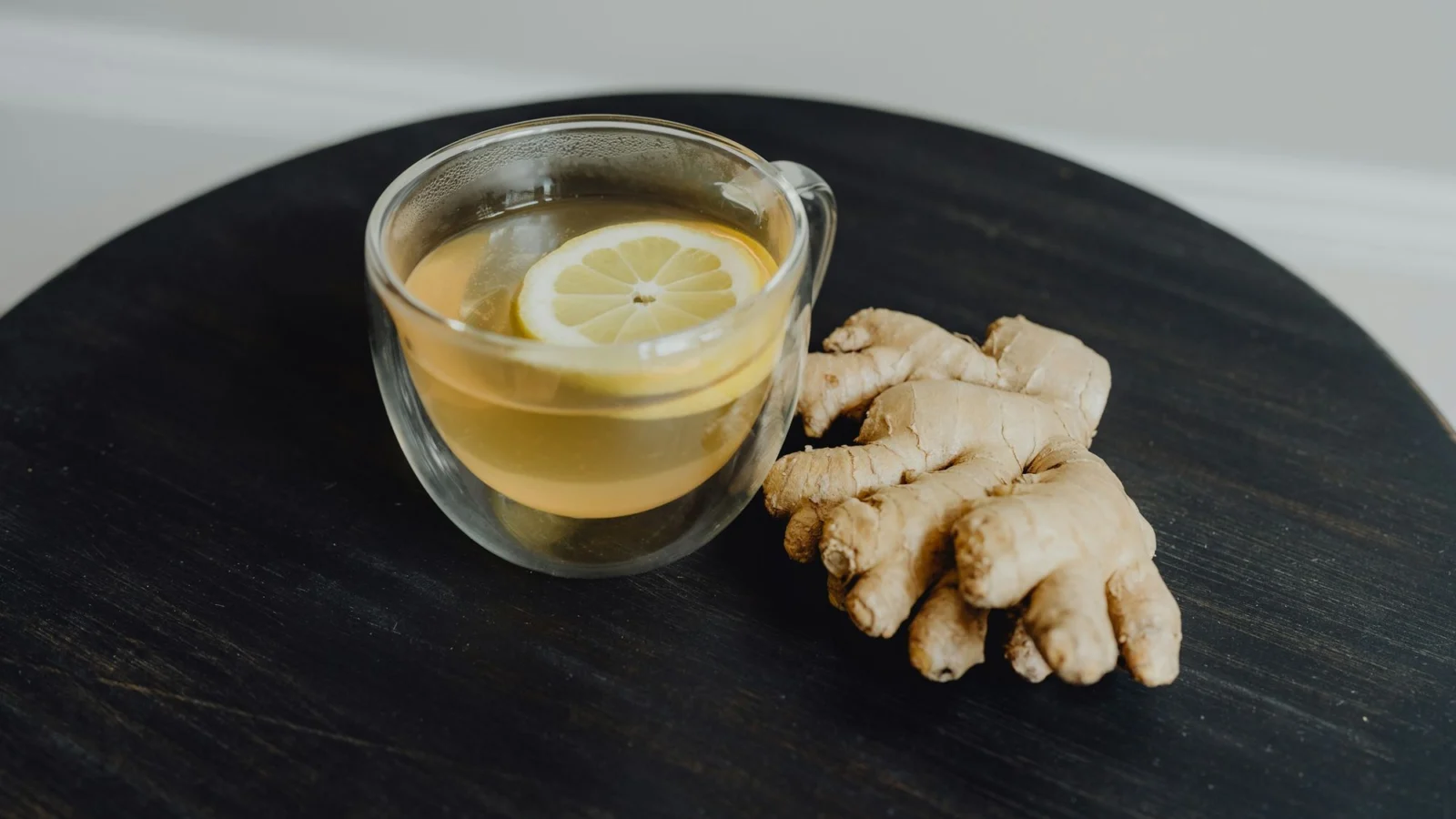
When the monsoon rolls into the hill country and the air turns damp and cool, many Sri Lankan kitchens reach for the same simple remedy: fresh ginger, simmered and brewed into inguru tea, ginger tea. It’s an unpretentious, everyday cup, made from ingredients most households already have, and it has stayed a favourite across generations for good reason. It warms you quickly, it’s genuinely comforting on a grey, rainy afternoon, and it tastes like something made with a little care rather than reached for out of a packet.
Why ginger and tea work so well together
Fresh ginger contains gingerol and related pungent compounds that give it its characteristic warming, slightly peppery bite, and that same warming sensation is a large part of why ginger tea has become such a go-to drink in cooler, wetter weather across Sri Lanka. Simmering the ginger, rather than simply steeping thin slices, draws out more of these compounds into the water, which is part of why this recipe asks you to give the ginger its own few minutes in the pot before the tea leaf ever goes in.
What you’ll need (for two cups)
- 2 heaped teaspoons Udarata black tea
- A thumb-sized piece of fresh ginger, about 15-20 g, sliced thinly or lightly crushed
- 500 ml water
- Kithul jaggery or ordinary sugar, to taste
- A splash of milk, optional
Method, step by step
Simmer the ginger
Add the sliced or crushed ginger to the water and simmer gently for about five minutes. This draws out its warmth and pungency before the tea goes in.
Add the tea
Take the pan off the heat, add the tea leaf, and let it steep for three to four minutes, the standard timing for a broken-grade Ceylon black tea.
Strain
Strain into cups, leaving both the ginger and the spent tea leaf behind.
Sweeten
Stir in kithul jaggery or sugar to taste while the tea is still hot, so it dissolves fully.
Finish your way
Add a splash of milk if you’d like it creamier, or leave it plain to taste the ginger and tea together clearly.
A note on jaggery
Kithul jaggery, made from the sap of the kithul (fishtail palm) tree, has a deeper, slightly smoky sweetness than ordinary cane sugar and is the traditional sweetener in many Sri Lankan tea and dessert recipes. If you can’t find it, ordinary jaggery or even dark brown sugar will give a reasonably similar depth, though the specific flavour will differ slightly.
A few variations worth trying
- With cardamom or cinnamon — add a lightly crushed cardamom pod or a small piece of cinnamon bark to the pan while the ginger simmers, for a warmer, more layered spice note.
- Stronger ginger — use a larger piece of ginger, or simmer it for closer to eight minutes, if you want a more pronounced, sinus-clearing bite.
- Iced version — brew as above, let it cool, then serve over ice with a slice of lime for a refreshing cold-weather-opposite version of the same base.
- With lime — a small squeeze of fresh lime juice added just before drinking brightens the whole cup and balances the ginger’s heat nicely.
A fixture of Sri Lankan home remedies
Ginger holds a long-standing, informal place in Sri Lankan home kitchens as something reached for not just for comfort but at the first hint of a cold, a sore throat, or simple travel sickness, well before any thought of visiting a pharmacy. Inguru tea in particular tends to appear in households whenever someone is feeling under the weather, often made a little stronger and with a touch more jaggery than the everyday version described above. None of this is a medical claim, home remedies and clinically proven treatments are different things, but the cultural habit itself is real, widespread, and part of why this particular tea feels less like a trendy recipe and more like something inherited.
Getting the ginger-to-tea balance right
The most common mistake when making ginger tea at home is either under- or over-doing the ginger relative to the tea. Too little ginger and you’ve essentially made plain tea with a faint hint of something else; too much, simmered too long, and the ginger’s heat can overwhelm the tea’s own character entirely, leaving you with something closer to a ginger infusion that happens to have tea in it. A thumb-sized piece for two cups, simmered for about five minutes, is a reliable starting ratio precisely because it lets both ingredients still be clearly present in the final cup, which is really the point of the drink.
Why this recipe has stayed so simple for so long
There’s a reason inguru tea hasn’t needed reinventing: it does exactly what it sets out to do, using ingredients that are cheap, available in nearly every kitchen, and prepared in a method that takes well under ten minutes from start to cup. It’s the kind of recipe passed down more by habit and demonstration than by any written instructions, which is also why slight variations exist from household to household, more or less ginger, a different sweetener, maybe a pinch of pepper in some families. Treat the ratios here as a solid, reliable starting point, then adjust the ginger and sweetness to match your own household’s taste, exactly the way it’s always been done.
Choosing your ginger
Fresh ginger root, rather than dried or powdered ginger, makes a real difference here. Fresh ginger carries more of its volatile aromatic oils alongside the pungent gingerol compounds, which means a simmered piece of fresh root gives a rounder, more fragrant result than powder, which tends to taste sharper and flatter without the same aromatic complexity. Look for firm, smooth-skinned pieces without soft spots when buying, and store any leftover ginger wrapped loosely in the fridge, where it will keep for a couple of weeks, or in the freezer, where a frozen piece can simply be grated straight into the pan without needing to thaw first.
Can I make this without any tea at all, just ginger?
Yes, plain ginger tea without any added tea leaf is also common and is sometimes preferred for an evening drink, since it leaves out the caffeine that black tea carries. Simply simmer the ginger a little longer, around eight minutes, strain, and sweeten the same way. It won’t have the same depth and tannin that black tea contributes, but it’s a perfectly good warming drink on its own.
Is this the same as the ginger tea sold in supermarkets as a tea bag?
Not quite. Most packaged ‘ginger tea’ bags use dried, powdered ginger infused directly in hot water for a quick steep, which gives a milder, less rounded flavour than simmering fresh ginger root the way this recipe does. The homemade version takes a few extra minutes but gives a noticeably fuller, warmer result.
Serving it the way it’s served at home
In many Sri Lankan households, inguru tea isn’t a drink made and finished alone; it tends to appear mid-afternoon or in the early evening, often alongside a small snack, a biscuit, a slice of toast, something simple, and shared with whoever else happens to be around at the time. There’s no formal ritual to it the way there might be for a more elaborate tea ceremony elsewhere; it’s closer to the everyday, unceremonious comfort of putting the kettle on when the weather turns, which is really the whole spirit this recipe is meant to capture rather than any particular technique.
- 15-20gfresh ginger, about a thumb-sized piece, per two cups
- 5 minsimmering time for the ginger before the tea goes in
- <10 mintotal time from kettle to cup
A drink that scales easily for a crowd
Because the method is so simple, inguru tea scales up without much adjustment, which makes it a practical choice when there are more than two people to serve, a rainy family gathering, visitors dropping in unexpectedly, or a small gathering after a cold evening out. Simply multiply the water, ginger and tea proportionally, keeping the same ratios, and simmer in a larger pot rather than a single small saucepan. The one adjustment worth making for a bigger batch is giving the ginger slightly longer to simmer, since a larger volume of water takes a little more time to properly draw out its warmth, perhaps seven or eight minutes rather than five, before the tea goes in.