
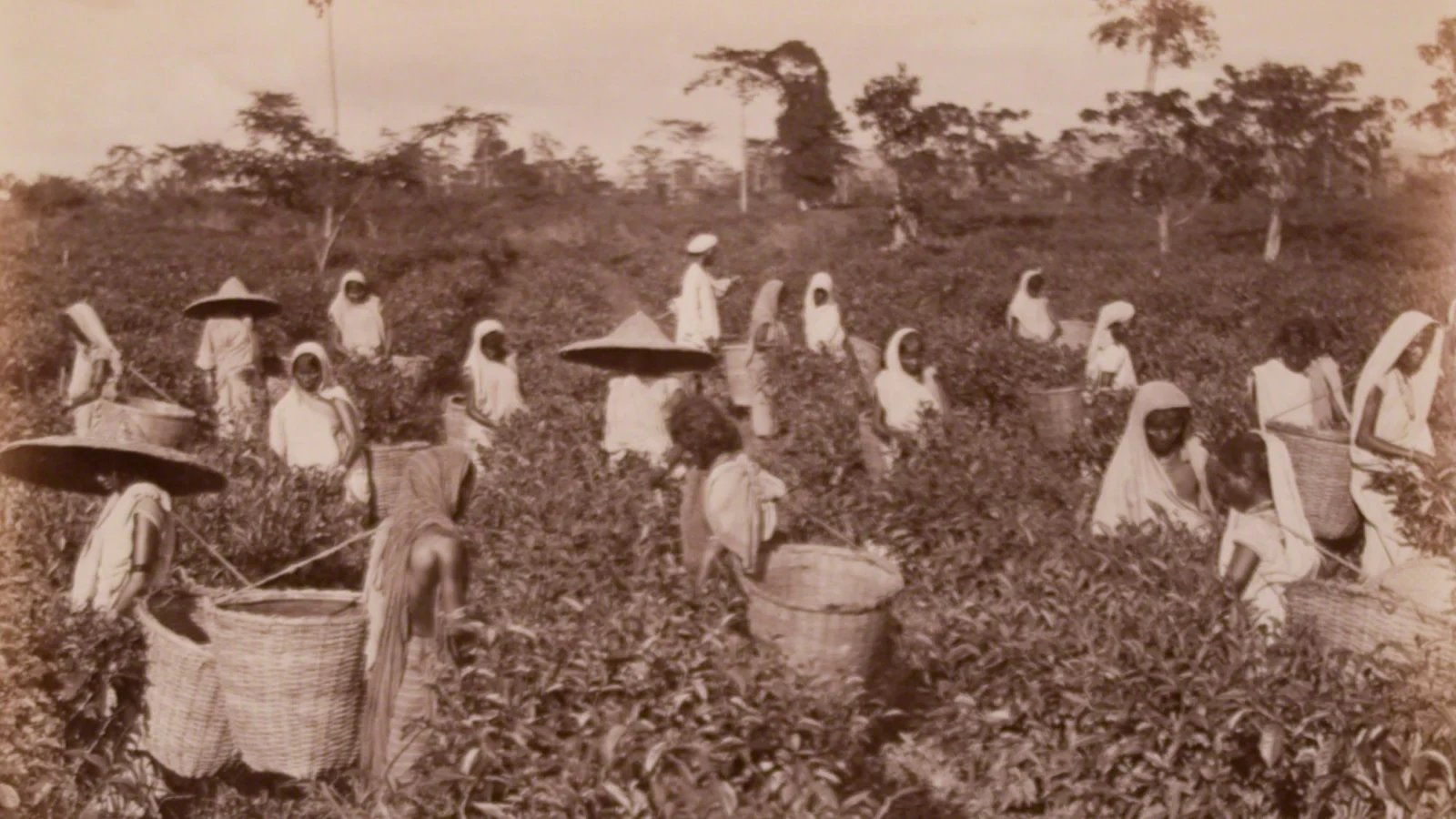
Behind every famous tea is a community. In Sri Lanka’s hill country, that community includes generations of estate families, many of them Hill Country Tamils — the Malaiyaha Tamil people — whose ancestors came from South India in the 19th century to work first on the coffee estates and then on tea.
Skill passed down
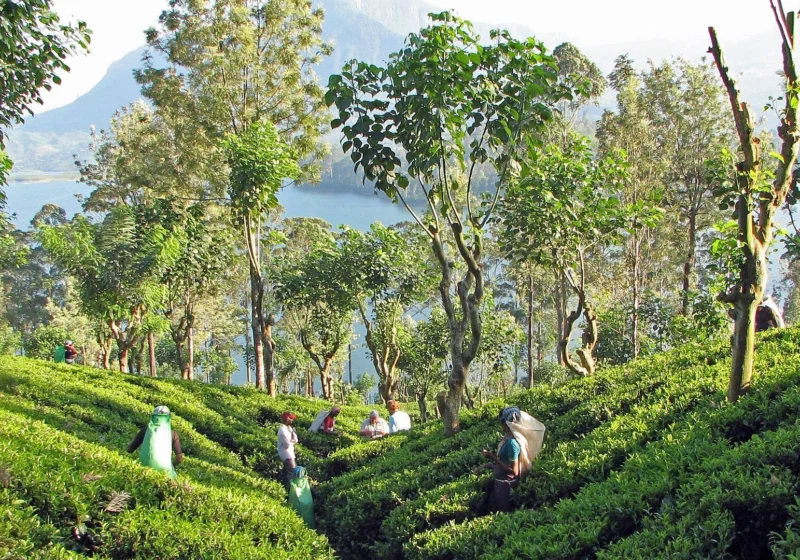
Plucking, pruning, tending young plants and making tea are skills handed down from parent to child. Much of the plucking is done by women, whose experienced hands can spot a perfect shoot at a glance.
A living culture
The estates are home to a rich culture — brightly painted Hindu kovils, festivals, music, food and the Tamil language — alongside the Sinhala villages and smallholdings of the surrounding hills. Together they give the tea country its character.
Recognising their contribution
For much of their history, estate communities faced hard conditions and a long struggle for recognition and rights. Any story of Ceylon tea that leaves them out is incomplete. When we talk about the character of Kandyan tea, we are also talking about the care of the people who grow and make it.