
Ceylon black tea is one of the most forgiving teas in the world to brew well, and one of the easiest to brew badly. The difference between a flat, bitter cup and a bright, rounded one usually comes down to four things: the water, the amount of leaf, the temperature, and the time. None of these are fussy rules invented to sound expert. Each one changes the actual chemistry happening inside the pot, and once you understand what that chemistry is doing, the “rules” start to make a lot more sense.
This guide walks through the method we use in our own tasting room, and the reasoning behind each step, so you can adjust it with confidence rather than guesswork.
Why water matters more than people think
Tea is almost entirely water, so the water you start with has an outsized effect on the cup you end with. Always use water that has just come to the boil rather than water that has been sitting in the kettle and reboiled, or boiled for an extended time. Reboiling drives off dissolved oxygen, and tea brewed with flat, oxygen-poor water tastes noticeably duller, even though nothing about the leaf has changed. If your tap water is heavily chlorinated or very hard, a basic filter jug will usually improve the cup more than switching tea brands will.
Mineral content matters too, though it is easy to overlook. Water that is very high in dissolved calcium and magnesium, often called hard water, reacts with some of the compounds in tea and can leave a thin, dull film on the surface of the cup, sometimes called tea scum. It is harmless to drink, but it is a visible sign that the water is working against the tea rather than with it. Very soft or heavily filtered water, at the other extreme, can make tea taste thin because there are too few minerals present to carry flavour. For most home brewing, ordinary filtered tap water sits comfortably in the middle and needs no special treatment.
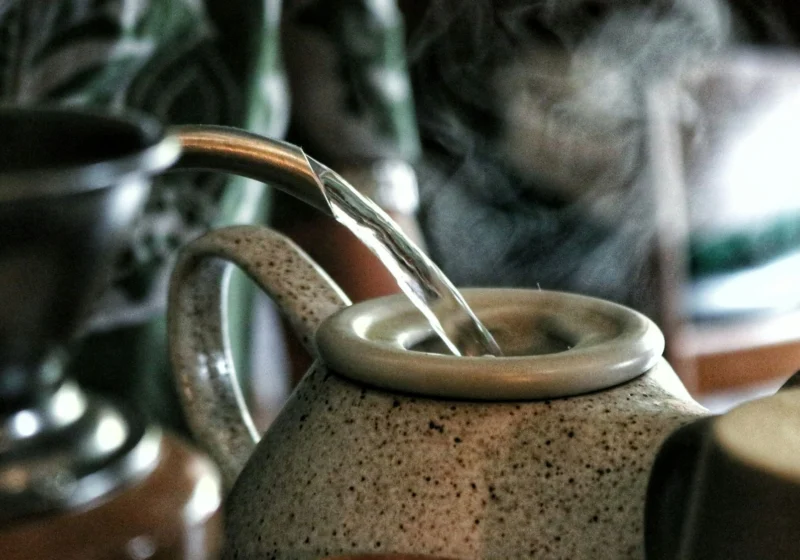
One detail worth getting right: the water should go onto the leaf, not the other way around, and it should happen quickly. Every few seconds between the kettle reaching the boil and the water hitting the leaf is a few seconds of cooling, and a tea that is used to being brewed at 98°C will taste noticeably different if it is actually brewed at 88°C because the kettle sat for a minute while you found a mug.
Did you know?
Warming the teapot or cup with a splash of hot water before brewing is not just a nice ritual. A cold vessel pulls heat out of the water the moment it is poured in, which can drop the brewing temperature by several degrees right when extraction is just beginning.
Measuring the leaf
The standard that most tea professionals work from is one heaped teaspoon, roughly 2.5 to 3 grams, for every 200 to 250 ml cup. If you are brewing in a pot for several people, the old habit of adding “one spoon for the pot” on top of the per-cup measure is a reasonable way to make sure the brew does not come out thin once it is shared around. If you prefer a lighter cup, it is almost always better to use the right amount of leaf and steep for less time, rather than use less leaf and steep for the full time. Under-leafed tea brewed too long tends to turn bitter without ever developing real body.
Getting the temperature right for your grade
Here is where Ceylon black tea differs from, say, a delicate green or white tea: it genuinely wants hot water, at or near a full rolling boil, around 95 to 100°C. Black tea has already been fully oxidised during processing, so there is no delicate raw-leaf character left to scald. What hot water does is extract the flavour and colour compounds efficiently and quickly, which is exactly what a leaf that has already given up its freshness wants.
| Grade | Leaf style | Water temperature | Steeping time |
|---|---|---|---|
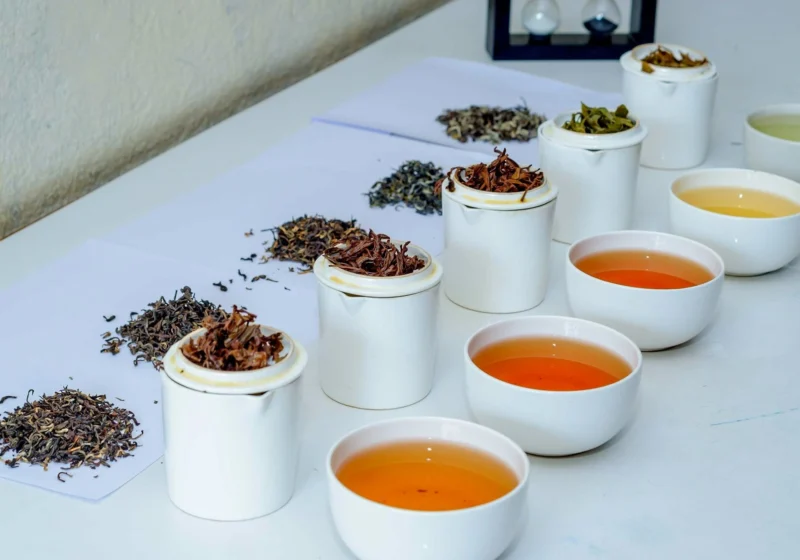
| OP / OP1 (Orange Pekoe) | Long, wiry whole leaf | 95-100°C | 4-5 minutes |
| Pekoe | Shorter, curled whole leaf | 95-100°C | 4 minutes |
| BOP (Broken Orange Pekoe) | Broken, medium particle | 95-100°C | 3-4 minutes |
| BOPF (Fannings) | Fine, fast-brewing particle | 95-100°C | 2-3 minutes |
| Dust | Very fine, used mostly in bags | 95-100°C | 1-2 minutes |

What is actually happening while the tea steeps
When hot water hits the dry leaf, it dissolves a mix of compounds that were created back during processing: theaflavins, which are bright, reddish and give tea its liveliness, and thearubigins, which are darker and give it body and depth. Early in the steep, theaflavins dominate and the liquor looks bright and clean. As the steep continues, more thearubigins and tannins come out, deepening the colour but also increasing astringency. This is the real reason an over-steeped cup tastes harsh rather than simply “stronger” — you are not just adding more flavour, you are shifting the balance of what is being extracted, and tannins extract disproportionately in the later part of the steep.
What’s extracted over time (illustrative)
A simplified picture of how quickly different compound groups build up during a black tea steep. Early minutes favour brightness; later minutes add body but also bitterness.
Simplified for clarity, based on the general extraction patterns described in peer-reviewed tea processing research (e.g. Aaqil et al., 2023, Foods, on black tea oxidation chemistry).
The method, step by step
Boil fresh water
Fill the kettle with water that has not already been boiled today. Bring it to a full rolling boil.
Warm the vessel
Swirl a little hot water in the teapot or cup, then tip it out, so the tea isn’t steeping in a cold container.
Measure the leaf
One heaped teaspoon (about 2.5-3 g) per cup. Add an extra spoon for the pot if brewing for several people.
Pour while still hot
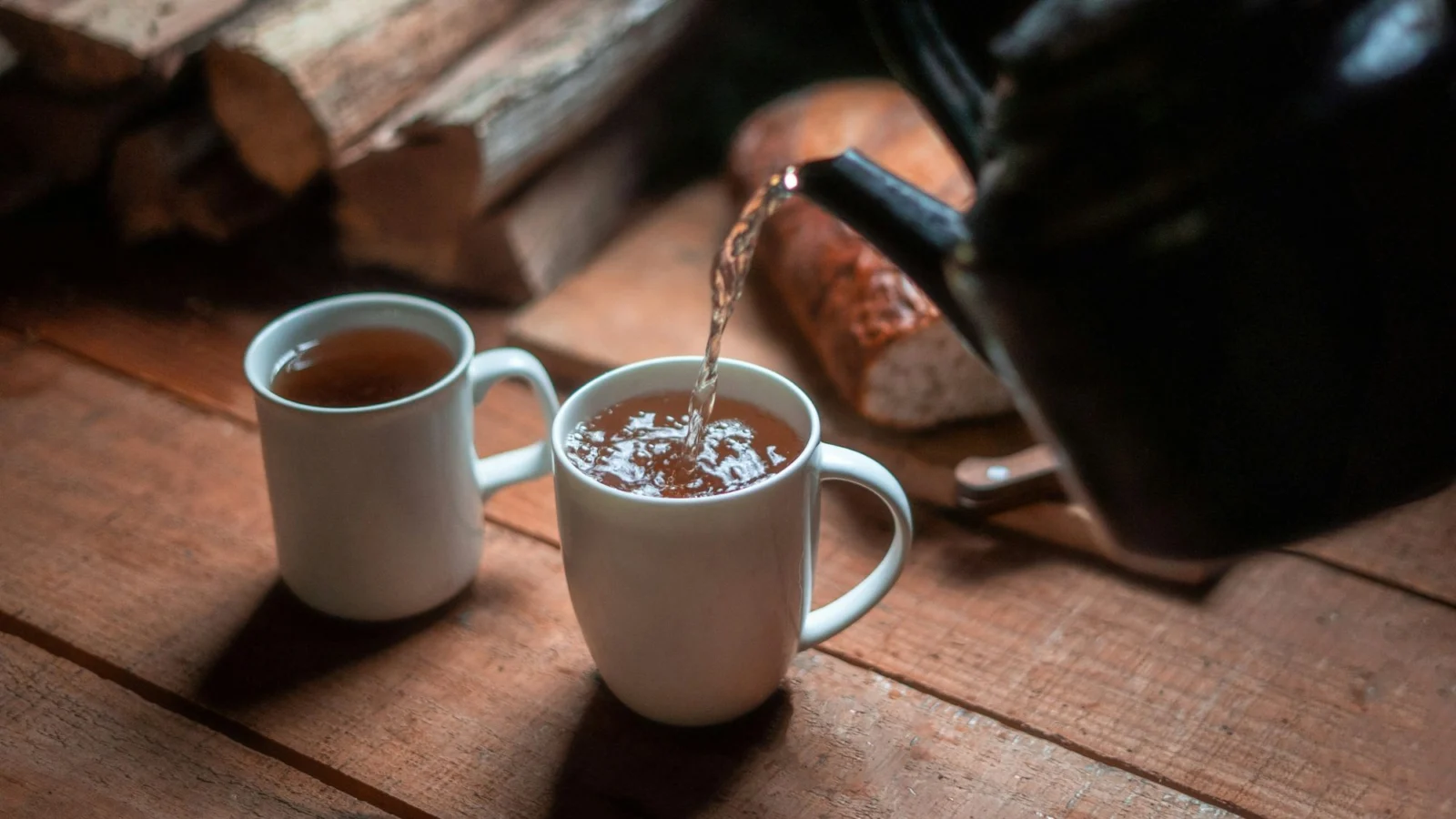
Pour the water onto the leaf as close to boiling as you can manage. Every few seconds of delay costs you a degree or two.
Time it by grade
Use the table above as a starting point, then taste at the lower end of the range and adjust next time based on what you preferred.
Strain and serve
Remove the leaf promptly once it has reached the strength you like, rather than leaving it to keep steeping in the pot.
Common problems and quick fixes
| Problem | Likely cause | Fix |
|---|---|---|
| Bitter, harsh cup | Over-steeped, or water too hot for too long | Shorten the steep; remove leaf promptly |
| Weak, watery cup | Not enough leaf, or water that has gone off the boil | Use a full teaspoon per cup; pour while still at a rolling boil |
| Cloudy iced tea | Rapid cooling causes tannins and caffeine to bind together | Cool slowly at room temperature, or dilute with a splash of hot water first |
| Flat, dull taste | Reboiled or stale water; stale tea | Use freshly drawn water; check the tea hasn’t been open for months |
Finishing it your way
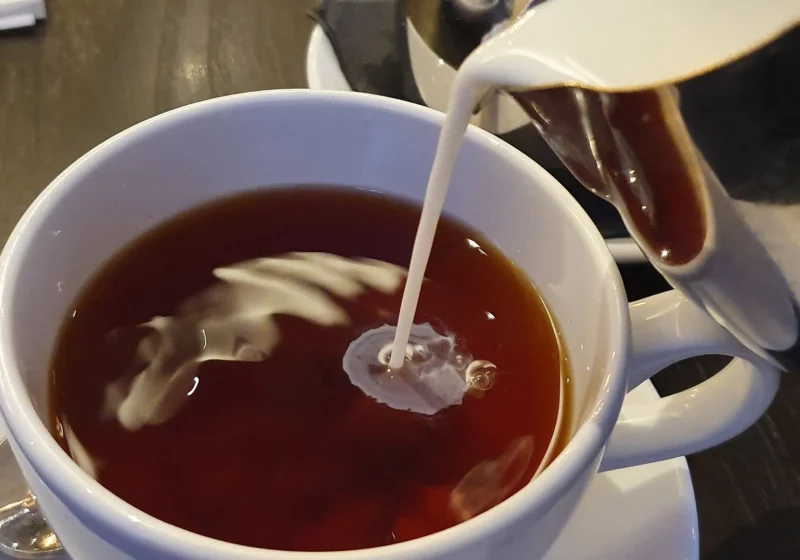
Once it’s brewed properly, how you finish the cup is entirely a matter of taste. Drink it plain to taste the character of the region it came from, add a little milk for a softer, rounder cup, or do it the Sri Lankan way with a touch of jaggery stirred through strong, hot kiri tea. None of these are more “correct” than the others. What they all have in common is that they only work well on top of a tea that was brewed with care in the first place.
A good cup of tea is patience you can drink.
Our head taster
Should you brew in a pot or straight in the cup?
Either works, but a pot, or at least a large infuser, gives the leaf more room to swell and unfurl as it absorbs water, which lets more of its surface area contact the water evenly. A cramped tea bag or a tiny infuser ball packs the leaf tightly, so the particles on the outside brew faster than the ones trapped in the middle, which can give you both over-extracted and under-extracted leaf in the same cup. If you only have a small infuser, using slightly less leaf and giving it a gentle stir partway through the steep helps even things out.
A note on reusing the leaf
Orthodox whole-leaf grades such as OP and Pekoe can often give a worthwhile second steep, usually a little shorter than the first since the leaf has already partly opened. Broken grades and fannings, which are what you will find in most tea bags, have usually given up most of what they have to offer in the first steep and a second cup from them tends to taste thin. If you are brewing a good loose-leaf whole-leaf tea and want to try a second infusion, add perhaps thirty seconds to a minute less than your first steep and taste as you go.
Why does my tea taste bitter even though I didn’t steep it long?
Bitterness usually comes from either water that was too hot for too long after boiling (which concentrates tannins) or from leaf that has been sitting against the hot kettle wall or pot side rather than suspended in the water. Give the leaf room to move, and taste at the shorter end of the time range before deciding you need to steep longer.
Does the type of teapot or cup change the taste?
It changes how quickly the tea cools and, with some materials, very slightly how it tastes. Ceramic and glass are neutral and simply hold heat differently. What matters far more than the vessel is getting the water temperature, leaf amount and timing right in the first place.
Can I brew Ceylon black tea with cooler water if I prefer a milder cup?
You can, but it is usually better to brew at full temperature for the recommended time and then dilute with a little hot water afterwards, or simply use less leaf. Cooler water extracts the tea’s compounds unevenly and often ends up tasting flat rather than gently mild.