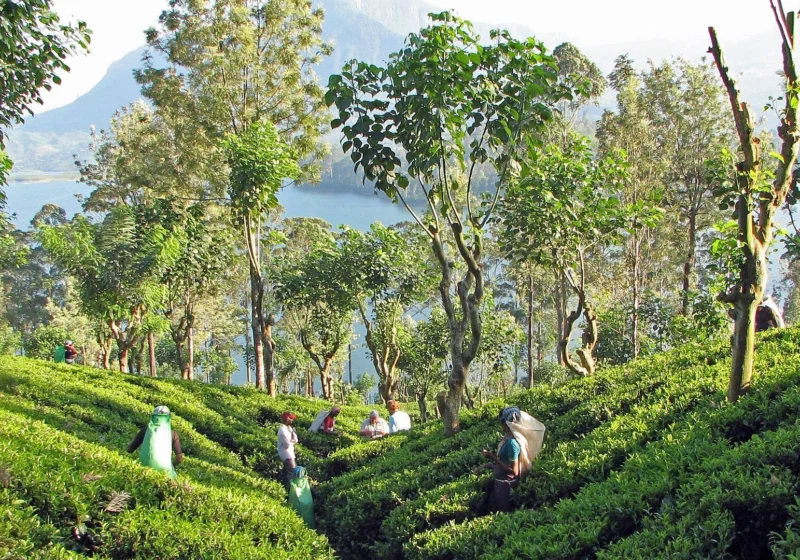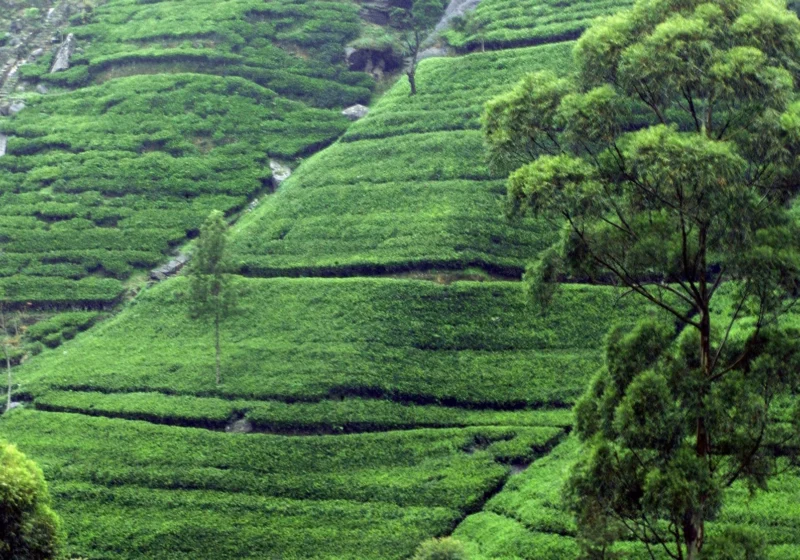

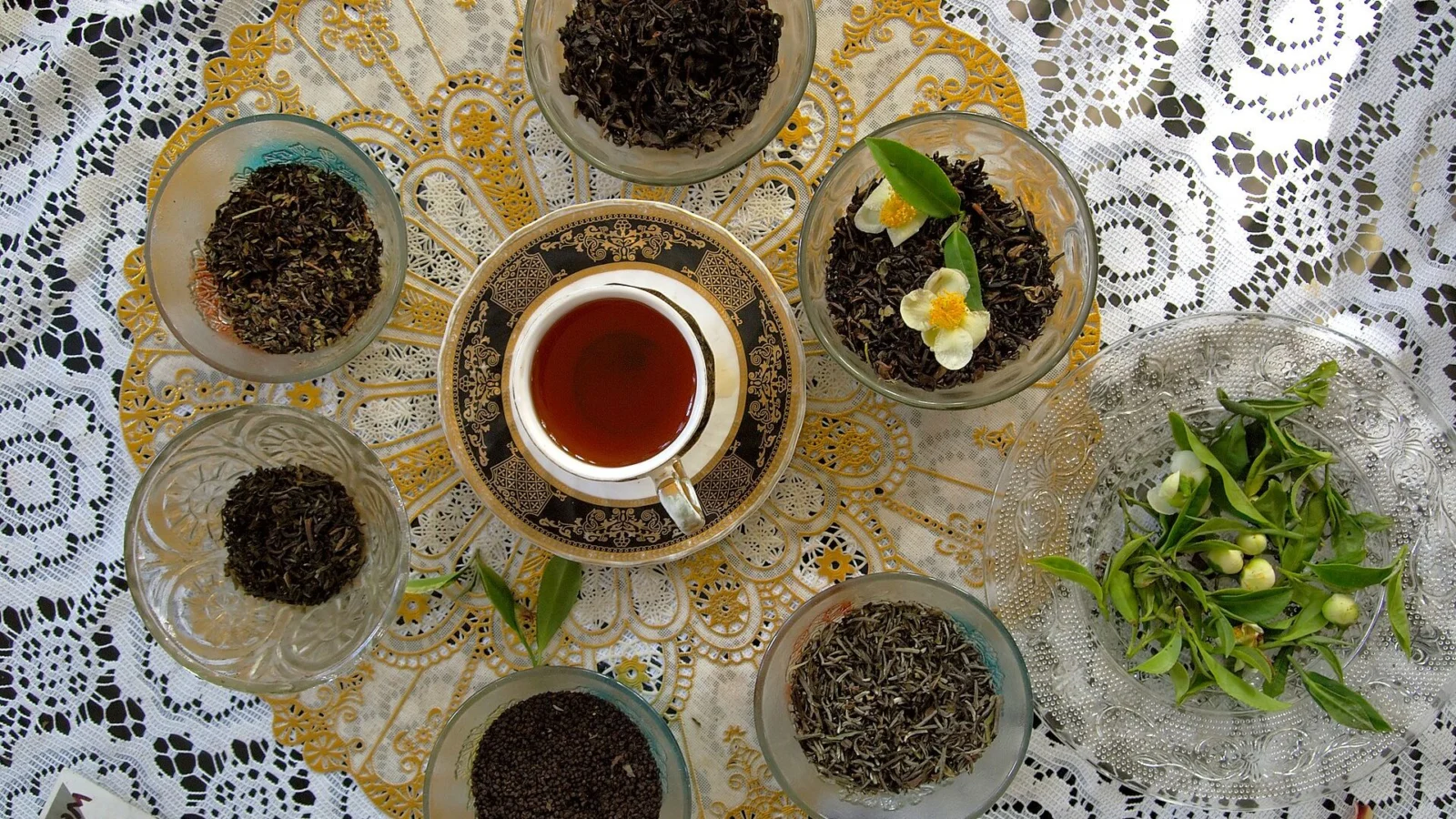
Most tea brands build their story around a single estate: one hillside, one factory, one unchanging character in every pack. Udarata Tea took a different path from the start. Our tea is sourced from three historic factories across the Kandyan hills, Embilmegama, Pilimathalawa and Arabegama, and our Signature Blend deliberately brings all three together into a single cup rather than keeping them apart.
Three characters, one cup
- Embilmegama contributes brisk clarity, a bright, clean lift that wakes up the palate and keeps the blend from feeling heavy.
- Pilimathalawa contributes classic Kandyan strength, real body, depth and a coppery colour that gives the blend substance.
- Arabegama contributes rounded sweetness, a smooth, mellow finish that softens the brisker edges and lingers pleasantly after the cup.
Taken on its own, each of these is a genuinely good tea with its own distinct character. Blended thoughtfully, they do something a single estate’s tea generally can’t: they balance each other’s edges. The brightness stops the strength from feeling heavy or one-note; the sweetness softens what could otherwise be an overly brisk, sharp cup. The result is a blend designed to work well plain, with milk, or with a little jaggery, which is harder to achieve from one source alone.
Why blending is a genuine skill, not just mixing
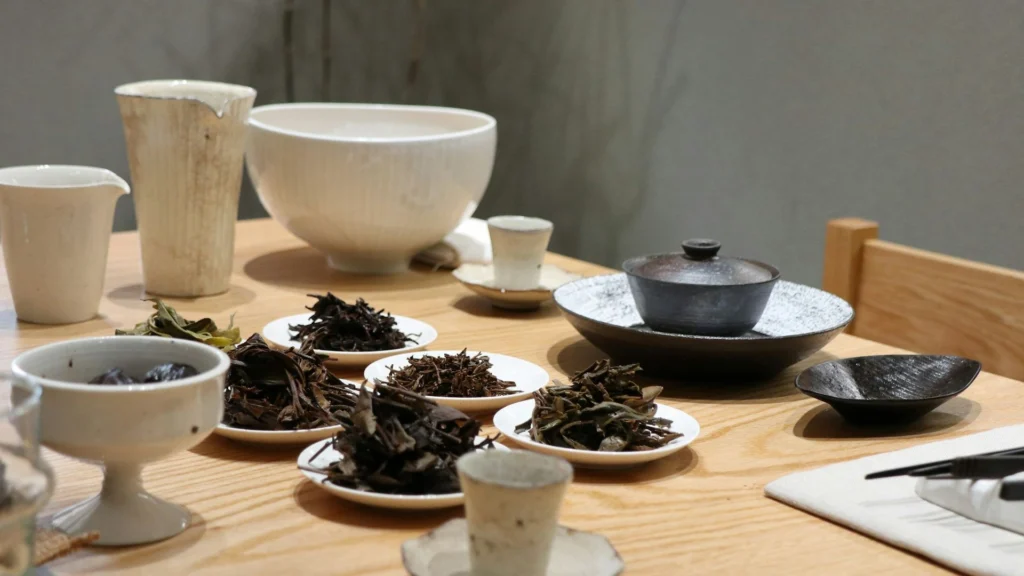
Tea is an agricultural product, and like any crop, it changes with the weather, the season, and even the specific day a particular batch was plucked and processed. A tea that tasted a certain way in March will not taste identical in September, even from the exact same bushes, because rainfall, sunshine and temperature all leave a mark on the leaf. A skilled blender’s job is to taste many individual lots side by side, noting brightness, body, aroma and any small flaws, and then combine proportions of each so that the finished blend tastes essentially the same from one batch to the next, regardless of what any single estate’s crop happened to do that particular month.
| Estate character | What it contributes | What it would lack alone |
|---|---|---|
| Embilmegama (brisk, bright) | Lift, clarity, a clean opening note | Body and lasting depth on its own |
| Pilimathalawa (strong, full-bodied) | Weight, colour, backbone for milk tea | Risk of feeling heavy without balance |
| Arabegama (sweet, rounded) | A smooth, lingering finish | Enough brightness to feel lively alone |
| Signature Blend (all three combined) | Balance: lift, body and a smooth finish together | – |
Consistency is the real challenge
It would be easy to blend three teas once and call it done, but real consistency means repeating that careful tasting and proportioning work every single time a new batch of leaf comes in, potentially many times across a season. The target isn’t to make an exceptional one-off batch; it’s to make sure that whether you buy a pack this month or buy another pack six months from now, the cup in front of you tastes recognisably, reliably the same. That reliability, more than any single tasting note, is what blending is really in service of.
Why we named the estates rather than hiding behind the blend
Plenty of blended teas on the market don’t name a single source, presenting the blend itself as the whole story and leaving the individual components anonymous. We made a different choice: Embilmegama, Pilimathalawa and Arabegama are each named, and each also has its own dedicated profile on this journal, because we think knowing where a tea’s character actually comes from makes it more interesting to drink, not less. A blend built from three named, specific places feels different, to us at least, from a blend built from an unspecified mix of whatever lots happened to be available that month.
What happens when the balance needs adjusting
Not every season produces the three estates in exactly the same proportions or with exactly the same intensity of character. A particularly wet month might soften Embilmegama’s usual brightness slightly; a particularly good flush at Arabegama might come through sweeter than usual. Rather than treat the published ratio as fixed and unchangeable regardless of what the leaf is actually doing, a careful blender adjusts proportions modestly, batch to batch, specifically to keep the final cup tasting the way regular drinkers expect, even when the three individual inputs are each moving slightly in their own direction that month. This is the quiet, ongoing work that most drinkers never see, and it’s precisely why a blend taster’s palate, calibrated over years, is worth as much as it is to a brand that depends on consistency.
What ‘Kandyan’ character actually means
All three estates behind the Signature Blend sit within the Kandy growing district, a mid-elevation belt that tends to produce fuller-bodied, more rounded tea than the lighter, more floral character typical of higher-grown districts like Nuwara Eliya. This shared regional foundation is part of why the three estates combine as well as they do: they’re not three wildly unrelated teas forced together, but three related expressions of the same broad Kandyan character, each shaped by its own specific hillside, factory and processing choices into a genuinely distinct personality within that shared family resemblance.
Why we didn’t just pick our single favourite estate instead
It would have been simpler, in some ways, to choose whichever of the three estates we personally preferred and build the whole brand around that single source, the way many single-estate teas do. We chose not to, because each of the three genuinely does something the others don’t, and picking only one would have meant giving up real character rather than keeping it. Embilmegama’s brightness alone, without something to add weight, can feel a little thin on its own in a daily cup. Pilimathalawa’s strength alone, without anything to lighten it, can feel heavy, especially for someone newer to black tea. Arabegama’s sweetness alone can feel like it’s missing an edge. None of these are criticisms of any single estate; they’re simply what you’d expect from any one source taken in isolation, and it’s exactly the gap the blend is built to close.
- 3named Kandyan factories behind the Signature Blend
- 1consistent cup, tasted and adjusted batch by batch
This doesn’t mean single-estate tea isn’t worth drinking
None of this is an argument against single-estate tea in general, and we sell single-estate teas from all three sources alongside the blend for exactly that reason. A single-estate tea lets you taste one place’s character clearly, without anything else layered on top of it, which is its own genuine pleasure and arguably the more honest, direct way to get to know a specific estate. The Signature Blend and a single-estate tea aren’t competing for the same moment; they’re suited to different ones. Drink a single estate when you want to taste one place distinctly. Drink the blend when you want the balanced, consistent, everyday cup that works reliably whichever way you take it.
A practical tasting exercise, if you’re curious
If you’d genuinely like to understand what blending adds, a simple side-by-side tasting is more convincing than any amount of description. Brew each of the three single estates and the Signature Blend using identical measures, water and steeping time, and taste them in sequence, estate by estate, finishing with the blend. Most people doing this exercise for the first time can pick out, fairly clearly, which single-estate characteristic shows up where in the blend, the lift that must be Embilmegama, the body that’s recognisably Pilimathalawa, the smooth finish that’s distinctly Arabegama, and that moment of recognition is really the whole point of naming the three sources in the first place rather than keeping them anonymous.
How to enjoy it
Brew the Signature Blend with freshly boiled water for three to four minutes, the standard timing for a broken-grade Ceylon black tea. It’s bright enough to drink plain, letting you taste the Kandyan character directly, and full-bodied enough to stand up comfortably to milk, which makes it a genuinely flexible everyday cup rather than one suited only to a single way of drinking it. If you’d like to understand the blend even better, try tasting it alongside a single-estate tea from one of the three sources; the contrast makes it much easier to pick out what each one is actually contributing.
Every estate has a voice. We blend them.
Udarata Tea
Will the Signature Blend’s proportions ever change permanently?
The underlying principle, drawing on all three estates to balance brightness, body and sweetness, isn’t something we expect to change. The exact proportions in any given batch may shift slightly to account for seasonal variation in the three estates’ crops, as described above, but the intent is always to keep the finished cup tasting consistent, not to redesign the blend’s character from one batch to the next.
Could you add a fourth estate to the blend in future?
It’s not something we’re planning at the moment. Three estates already give the blend a wide enough range of character to balance well, and adding a fourth would mean a more complex, harder-to-manage blending process without an obvious gap in flavour that a fourth source would clearly fill. If that ever changes, it would be because a specific, genuinely useful character was missing, not simply for the sake of adding another name.